Quartz sand

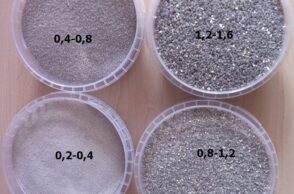
Quartz sand, the fraction of which is clearly identified, is needed for various tasks. It is used for water filtration, sandblasting, and is needed in construction and many other industries. Quartz sand whose fractions are clear is called fractional. This sand goes through many stages of additional processing. It is significantly different from ordinary quarry sand.
Chemical formula – SiO2
Country of origin – Ukraine
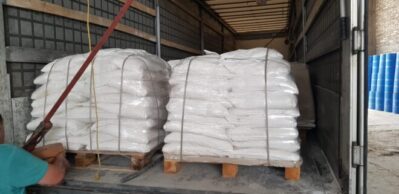
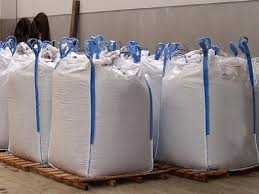
Packaging – big bags 1000 kg, bags on a pallet 25 kg, in bulk
Technical specification
The main physical and chemical parameters:
| Sand fraction | 0-0,4mm | 0,4-0,8mm | 0,8-1,2mm |
| SiO2, % | 98-99% | 98-99% | 98-99% |
| Fe2O3,% | <0.5 | <0.5 | <0.5 |
| Al2O3+CaO+TiO2, % | <1,5 | <1,5 | <1,5 |
| Н2О (300C) | <1% | <1% | <1% |
Organoleptic indicators: loose, granular, opaque, odorless, inedible.
SAFETY: Non-flammable, non-toxic, non-explosive.
Quartz sand of all modifications is a loose material, so you should avoid its contact with the skin and mucous membrane, use a respirator, gown, gloves and glasses during work.
Recommendations for choosing the characteristics of quartz sand
- Sandblasting works. For sandblasting, it is recommended to use quartz sand with a fraction of 0.8-1.2 mm. This fraction, thanks to a fairly large grain, provides good results when it is necessary to clean surfaces from dirt or coatings up to 1 mm thick.
- Water filtration. For the use of quartz sand as a sand filter filler when filtering water in swimming pools, it is recommended to use a fraction of 0.8-1.2 mm. In some cases, if it is necessary to ensure a higher level of cleaning, it is possible to use smaller grain sizes.
- Formation. For formation, mixed factions are used depending on specific tasks. But most often – sand fraction 0-0.4, which provides less roughness of the product’s surfaces.
- Construction mixture. For construction purposes, sand of all fractions is used depending on the specific task. For example, medium fractions are suitable for the production of concrete, and fine fractions should be preferred for putty mixtures.
- Production of glass. In the glass industry, a sand fraction of 0-0.8 mm is used. For these purposes, the minimum amount of impurities in the sand is critical, because any oxides other than the target SiO2 lead to negative consequences. Glass can change its optical properties unpredictably.
- Production of ceramics . For the production of ceramic tiles and other products, quartz sand with a fraction of 0-0.8 mm is used.
Upon agreement with the client, it is possible to provide other indicators
Gallery