Sodium metasilicate
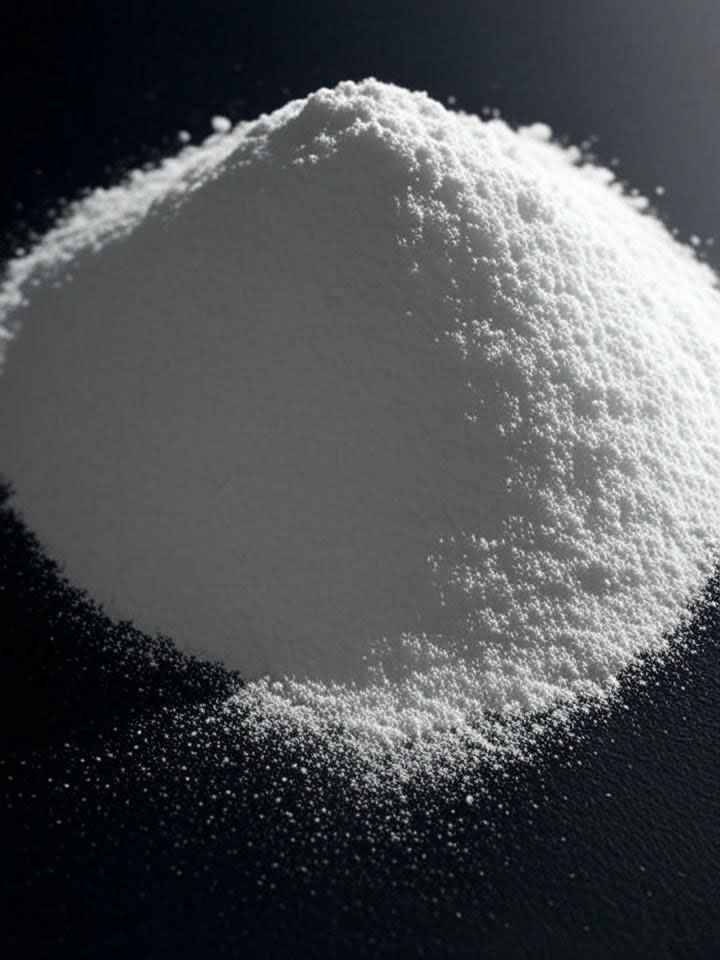
Sodium Metasilicate – is one of the salts of the alkali metal sodium and silicic acid. It is a product of the glass industry, obtained by thermal treatment of a mixture of sodium carbonate and quartz sand followed by hydrolysis. Its primary applications are in the production of refractory materials, detergents, and household chemicals.
Produced in three modifications:
- – Anhydrous (Na₂SiO₃).
- – Pentahydrate (Na₂SiO₃·5H₂O).
- – Nonahydrate (Na₂SiO₃·9H₂O).
Appearance: White crystalline powder.
Granule size: From 0.20 mm to 1.6 mm.
Chemical formula: Na₂SiO₃·nH₂O.
Country of manufacture: Ukraine.
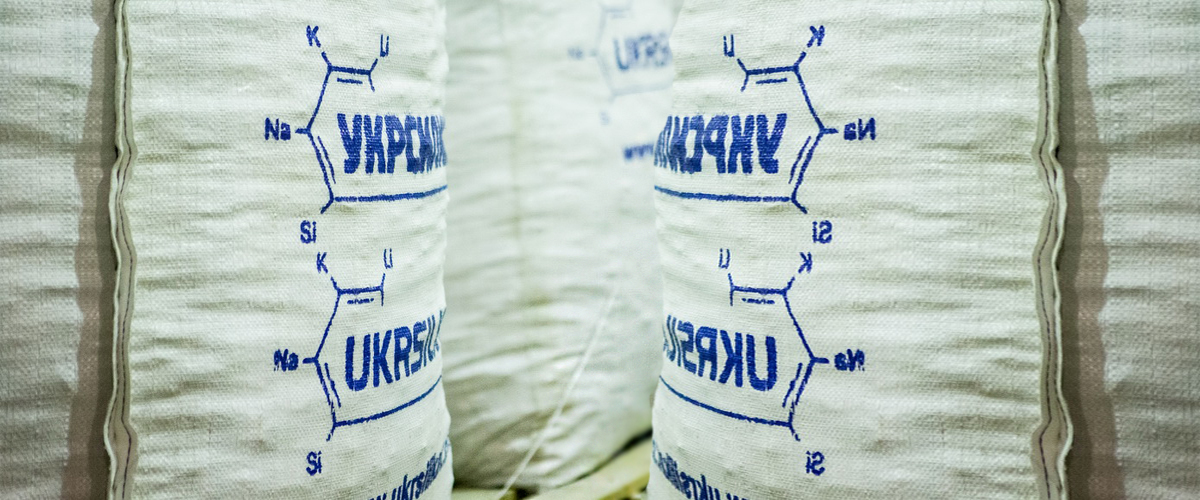
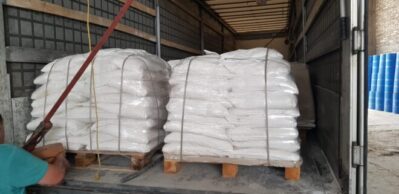
Packaging: 25 kg bags, 1000 kg big bags.
Technical specification
| Modification | Na₂SiO₃ anhydr. | Na₂SiO₃ ·5H₂O | Na₂SiO₃ ·9H₂O |
| Chemical composition | |||
| Na₂O (%) | 47.61–49.61 | 28.61–30.61 | 21.7–23.7 |
| SiO₂ (%) | 47.83–49.83 | 28.74–30.74 | 21.8–23.8 |
| Н₂О (%) | 0–3 | 38.5–41.5 | 52.5–55.5 |
| Fe2O3 (%) | 0.044–0.084 | 0.019–0.059 | 0.01–0.05 |
| Al₂O₃ (%) | 0.193–0.343 | 0.088–0.238 | 0.05–0.2 |
| CaO (%) | 0.088–0.168 | 0.038–0.118 | 0.02–0.1 |
| MgO (%) | 0.044–0.084 | 0.019–0.059 | 0.01–0.05 |
| Technical specifications | |||
| Appearance | White powder | White powder | White powder |
| Dry content (%) | 97–100 | 58.5–61.5 | 44.5–47.5 |
| Insoluble | <0.02 | <0.02 | <0.02 |
| Molar Ratio | 0.95–1.13 | 0.95–1.13 | 0.95–1.13 |
| PH of 1.0% Solution at 20C | 12 | 12 | 12 |
| Bulk densiti (kg/m³) | 1000–1400 | 900–1200 | 800–1100 |
| Granulometric composition | |||
| Remainder on the sieve 0,2 мм | 98–100% | 98–100% | 98–100% |
| Remainder on the sieve 1,6 мм | <2% | <2% | <2% |
Organoleptic Properties: White powder, odorless, non-edible.
Recommendations for choosing the characteristics of sodium metasilicate
Application: Sodium metasilicate is used as an alkaline component in the formulation of laundry detergents, dishwashing detergents, industrial cleaners, and degreasers. It effectively removes grease and organic contaminants and increases the alkalinity of solutions.
Recommendations:
- Use pentahydrate or nonahydrate sodium metasilicate for liquid detergents, as they dissolve well in water.
- Dosage: 5–20% of the total composition weight, depending on the required alkalinity.
- Ensure thorough mixing for uniform distribution in the mixture.
- When handling powder forms, use protective gloves and masks, as the product has alkaline properties and may cause skin and mucous membrane irritation.
- Store in a dry place to prevent caking.
2. Production of Refractory Materials
Application: Sodium metasilicate is used as a binding component in the production of refractory bricks, concretes, and coatings. It contributes to forming a strong structure at high temperatures.
Recommendations:
- Use anhydrous sodium metasilicate for mixtures requiring high thermal stability.
- Dosage: 2–10% of the mixture weight, depending on the type of refractory and technology.
- Add to dry mixtures before introducing water for even distribution.
- Ensure the mixture meets technological requirements (e.g., firing temperature of 1000–1500°C).
- Avoid excessive moisture in the mixture to prevent reduced strength.
3. Glass Industry
Application: Sodium metasilicate serves as a raw material for producing liquid glass, used as a binder or protective coating.
Recommendations:
- Use anhydrous or pentahydrate sodium metasilicate, depending on the required viscosity of the solution.
- Dissolve in water at 50–80°C to obtain a homogeneous liquid glass solution.
- Sodium metasilicate to water ratio: 1:2–1:4, depending on the desired concentration.
- Use the resulting liquid glass for sealing, coatings, or as a component in glass product manufacturing.
4. Construction Industry
Application: Sodium metasilicate is added to cement and concrete mixtures to enhance strength, water resistance, and resistance to aggressive environments.
Recommendations:
- Use pentahydrate sodium metasilicate for construction mortars.
- Dosage: 0.5–2% of the cement weight.
- Add to mixing water to ensure even distribution.
- Apply for waterproofing foundations, basements, or structures exposed to moisture.
- Check compatibility with other additives to avoid undesirable reactions.
5. Chemical Industry
Application: Used as a reagent in the synthesis of silicates, zeolites, and other chemical compounds.
Recommendations:
- Select the form of sodium metasilicate (anhydrous, pentahydrate, or nonahydrate) based on the requirements of the technological process.
- Ensure precise dosing to control chemical reactions.
- Use in controlled conditions, adhering to temperature and pH regimes.
6. Other Applications
- Paper Industry: As a component for bleaching or processing cellulose.
Recommendation: Add in small amounts (1–5%) to solutions for paper processing, maintaining a neutral pH. - Metallurgy: For cleaning metal surfaces before coating.
Recommendation: Use as an aqueous solution (5–10% concentration) for degreasing and oxide removal. - Textile Industry: As a stabilizer in fabric dyeing.
Recommendation: Use solutions with a 2–5% concentration for fixing dyes.
General Application Recommendations
Safety:
- Work in protective clothing (gloves, goggles, mask), as sodium metasilicate has alkaline properties and may cause burns or irritation.
- Avoid inhaling dust when handling the powder form.
Storage:
- Store in a dry, well-ventilated area in sealed packaging (25 kg bags or 1000 kg big bags).
- Avoid contact with moisture to prevent hydration and caking.
Transportation:
- Transport in sealed containers, adhering to chemical substance transportation regulations.
Quality Control:
- Verify the product’s compliance with standards (e.g., GOST or TU) before use.
- Ensure the granule size (0.20–1.6 mm) meets your production requirements.
Notes:
- Before using sodium metasilicate in new processes, conduct laboratory tests to determine optimal dosage and conditions.
- For additional product information (e.g., certificates or technical data), contact the manufacturer in Ukraine.
Галерея