Manganese silicate
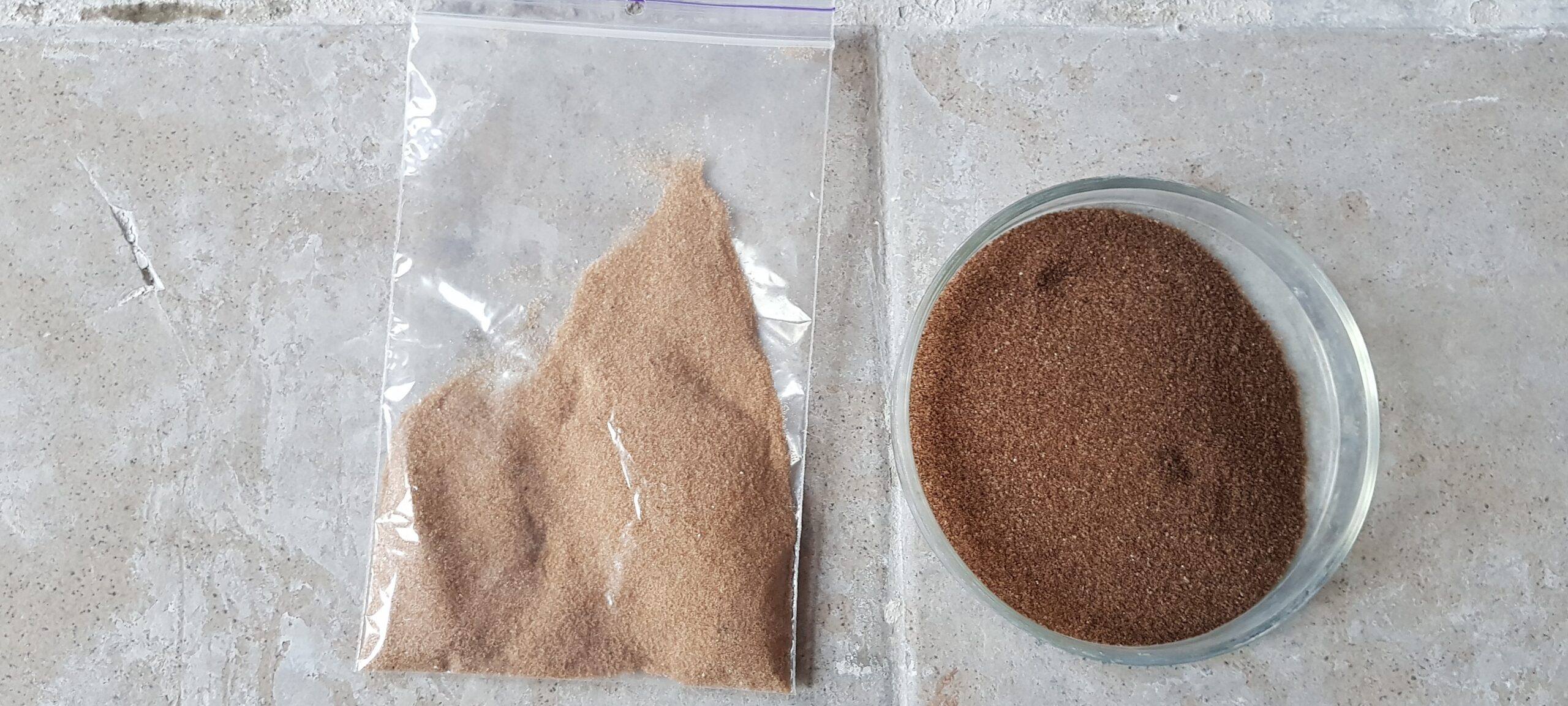
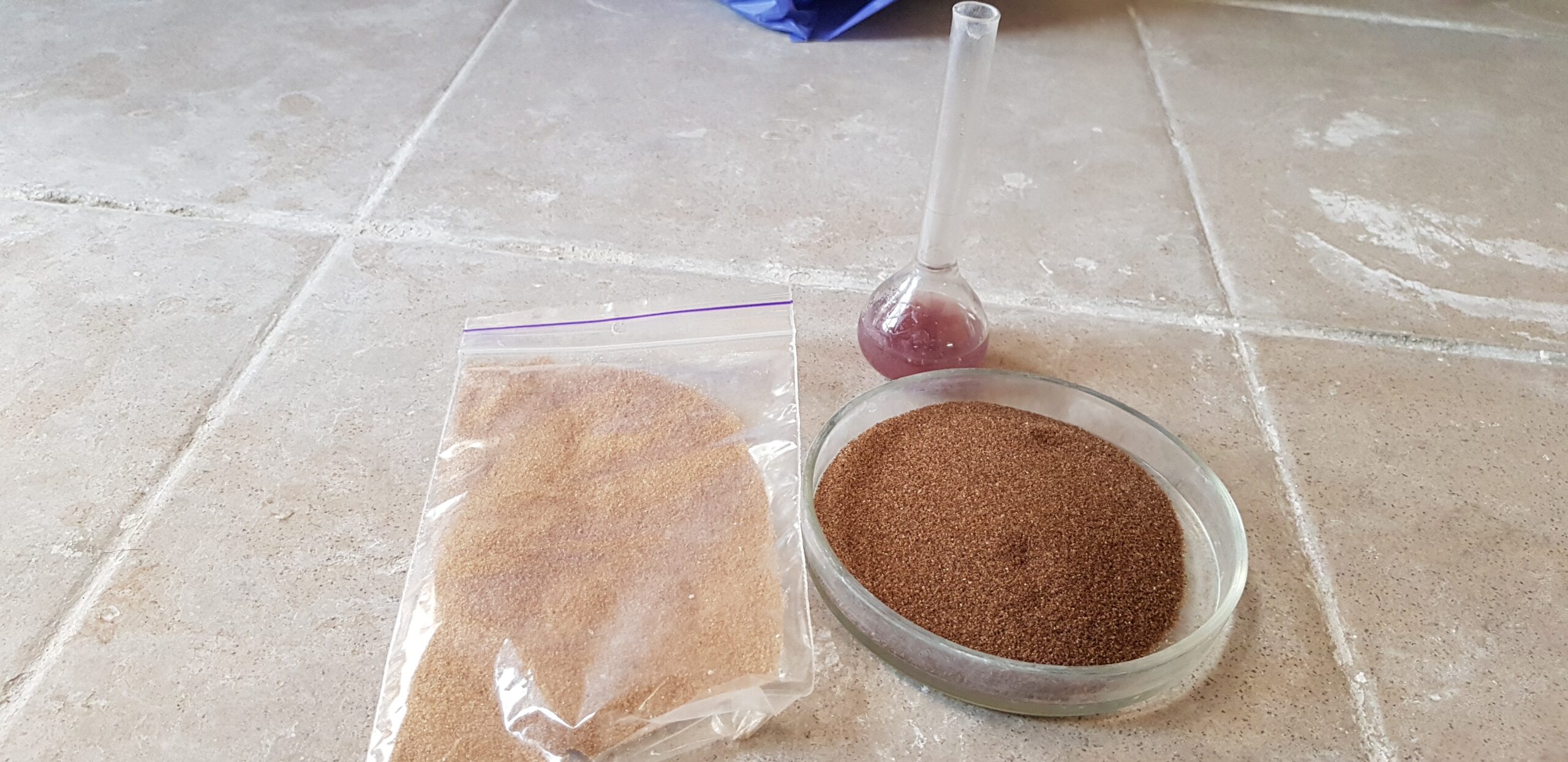
Manganese silicate is a salt of Manganese metal and silicic acid. A product of the glass industry, obtained by temperature exposure to a mixture of manganese oxide, quartz sand and auxiliary impurities. It has the form of a powder, yellow or brownish in color, with a regulated fractional composition. It is mainly used as a component in the production of welding fluxes, welding electrodes, slag-forming mixtures in metallurgical processes.
The chemical formula is Mn2SiO3.
Country of manufacture – Ukraine.
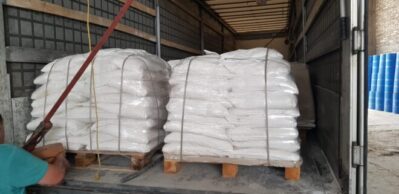
Packaging – big bag weighing 1000-1500 kg, mice 25 kg each.
Technical specifications
The main physical and chemical parameters:
| Parameters | Requirement Limits, % | Typical, % |
| Appearance | Brown-yellow powder | corresponds |
| Chemical composition, %: | ||
| MnO | 34-43 | 37,73 |
| Mn | 26,3-33,3 | 29,25 |
| SiO2 | 38-43 | 42,82 |
| Al2O3 | 3-7 | 3,05 |
| CaF2 | 2,5-6,5 | 6,48 |
| CaO t | 7-11 | 10,92 |
| ТіО2 | 0,6 | 0,45 |
| Fe2O3 | 2,0 | 0,66 |
| MgO | 6,0 | 1,78 |
| C | 0,06 | 0,042 |
| S | 0,05 | 0,018 |
| P2O5 | 0,06 | 0,041 |
| H2O | 0,03 аt 200 С | 0,030 |
| Granulometric composition, %: | ||
| Remainder on the sieve 0,71 мм | 0 | 0,0 |
| Remainder on the sieve 0,5 мм | 0-5 | 0,0 |
| Remainder on the sieve 0,18мм | 45-95 | 93,0 |
| Remainder on the sieve 0,09мм | 80-95 | 94,5 |
Organoleptic indicators: loose, yellow-brown color, odorless, not edible.
SAFETY: fireproof, non-toxic, explosion-proof.
Silicate of organza of all modifications is a loose product, in connection with which it is necessary to avoid its contact with the skin or mucous membranes. When working, use protective glasses, a respirator, gloves and overalls.
Recommendations for use
Manganese silicate is most widely used as an alloying and protective component of raw materials for the production of ceramic fluxes for automatic welding and welding electrodes for manual welding. The production process in the most generalized form consists in fusion of a mixture of manganese ore, silicon dioxide and auxiliary impurities at a temperature of 1600-1800C.
In each individual case, the expediency of using manganese silicate is determined individually, but there are the following trends:
- for ceramic welding fluxes
- for welding electrodes
- for slag-forming mixtures in metallurgy
- for the ceramic industry
- for building materials
Gallery